
Criminal Justice
Categories
Popular Courses

Assisting Reentry for Justice-Involved Clients
Each year, the United States releases an estimated 650,000 inmates from prisons and nearly 13 million from jails. Many of these individuals are impacted by mental health disorders, and only some will receive proper discharge planning and information about accessing services after release. Improper care coordination, lack of support, and limited access to resources contribute to high rates of recidivism for individuals after release. This course teaches learners about the challenges faced by individuals upon release from incarceration and how behavioral health professionals can support them as they reenter the community.
View Details

Behavioral Health Best Practices in Sentencing Decisions for Judges and Attorneys
Colorado is home to approximately 37,000 licensed lawyers and 390 judges. This course provides judges, district attorneys, public defenders, and private attorneys with insights into the intersection of behavioral health and the criminal justice system. Judges and attorneys will explore mental health conditions and challenges in justice-involved populations, including antisocial personality disorder, substance use disorder, and trauma, while examining how utilizing evidence-based approaches, such as the Risk-Need-Responsivity model, can reduce recidivism.
Learners will gain an understanding of ways behavioral health influences a person’s decision-making, engagement, and rehabilitation; the mental health disorders most seen in justice settings; and how to refer individuals to appropriate services. By recognizing how behavioral and mental health shapes behavior, communication, and compliance, legal professionals can support better overall outcomes for individuals, including reduction in recidivism.
View Details

Behavioral Health Practices for Jail Deputies and Administrators
While the course strives to provide an accurate and evidence-based approach to recognizing and responding to behavioral health disorders in jails, it is important to acknowledge certain limitations. The content, while current to the best of our knowledge, may not encompass all recent developments in this rapidly evolving field. The approaches discussed may not be universally applicable, as they are influenced by individual client factors and limitations in healthcare systems. All references have been peer-reviewed. Attendees are also encouraged to continuously seek out the latest research and guidelines to complement the information provided in this training.
View Details

Care Coordination for Justice-involved Individuals
Effective, individualized care coordination is essential to maintaining continuity of care and supporting meaningful treatment for justice-involved individuals experiencing behavioral health challenges. Care coordination is the intentional organization of an individual’s care activities and the sharing of information among all people involved in the individual’s care. Care coordination provides that needs and preferences for the individual are identified in advance, communicated to the right people at the right time, and used to deliver meaningful, individualized, and effective care. This training will focus on building awareness of the complex factors of individuals at the intersection of criminal justice and behavioral health, utilizing collaborative and communicative strategies with multidisciplinary teams for care planning, and engaging the individual for active involvement in their care planning as they enter or exit justice-based settings.
View Details
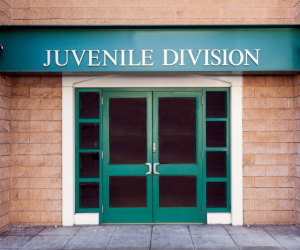
Caring for Juveniles Who Are Justice-Involved: A Guide for Behavioral Health Providers
Nearly 70% of justice-involved youth have at least one diagnosable mental disorder (Duchschere et. Al., 2023; Underwood & Washington, 2016). These youth face systemic barriers, trauma, and social stigma that hinder their access to appropriate care. Through the framework of restorative community justice and culturally sensitive approaches, this course provides behavioral health professionals who may interact with justice-involved youth with actionable steps to recognize and address these challenges by focusing on implementing effective strategies and mentorship.
View Details
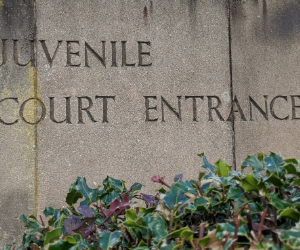
Culturally Responsive Care: Supporting Behavioral Health in Justice-Involved Youth
Most youth who become involved in the justice system are likely to have at least one diagnosable mental disorder, highlighting a significant public health and social justice issue. These young individuals often also face systemic barriers, including socioeconomic challenges, a history of trauma, and pervasive social stigma, all of which create barriers to accessing proper support services. By utilizing the framework of restorative community justice, this training emphasizes trauma-informed practices and culturally sensitive approaches. Participants will gain actionable strategies to effectively recognize the unique challenges these youth face and apply strategies that foster healing and rehabilitation. Ultimately, this course aims to promote a more empathetic and effective response to the needs of justice-involved youth, thereby contributing to their successful reintegration into society.
View Details

Improving Interactions with Priority Populations in the Criminal Justice System
Individuals who navigate the criminal justice system encounter a range of hardships and challenges. However, some individuals face more challenges than others due to other factors. For this training, these priority populations include LGBTQ+ individuals, aging individuals, neurodivergent individuals, individuals with traumatic brain injuries (TBI), and women. This training will increase awareness of the unique needs of these priority populations within the criminal justice system and provide strategies for developing rapport and reducing harm.
View Details

Introduction to Colorado’s Correctional System and Working with Justice-Involved Individuals
The journey through the criminal justice system is challenging for everyone who must go through it, but especially for those who are also experiencing mental health and substance use disorders. This training introduces behavioral health professionals to the Sequential Intercept Model (SIM). This strategic framework identifies key points in the criminal justice process where individuals with mental health and substance use disorders can be diverted to treatment and support. We will explore the challenges that justice-involved individuals face in the criminal justice system, along with best practices for overcoming these obstacles.
View Details
Jail-based Behavioral Health: Caring for Priority Populations
Individuals who navigate the criminal justice system encounter a range of hardships and challenges. However, some members of priority populations face more challenges than others due to other factors. For this training, these priority populations include people who are LGBTQ+, people who are aging, people who are neurodivergent, people with traumatic brain injuries (TBI), and women. Challenges are intensified for these individuals because they are at a higher risk of mistreatment, abuse, and neglect. This training will increase awareness of the unique needs and experiences of people from these priority populations when they are incarcerated. Behavioral health professionals will be equipped to provide a trauma-informed approach and identify the needs and challenges to inform treatment planning in correctional settings.
View Details