All Courses
Explore the full range of courses available on our website and unlock new opportunities for learning and growth. Whether you're looking to enhance your professional skills, pursue a personal passion, or gain practical knowledge in a new field, our careful designed courses offer something for everyone. Browse through each category to discover expert-led lessons, hands-on activities, and valuable insights that will help you reach your goals. Start exploring today and find the perfect course to take your next step forward.

Culturally Responsive Care in Behavioral Health for Deaf and Hard of Hearing Communities
This course delves into the unique experiences, needs, and challenges encountered by Deaf, DeafBlind, DeafDisabled, and Hard of Hearing communities in accessing medical healthcare. Participants will gain insights into deafness and Deaf culture, enabling them to identify barriers to care, understand health disparities, and implement standards of care to promote equitable health outcomes. Emphasizing the significance of a linguistically and culturally responsive approach in clinical practice, the course guides participants in developing tailored action plans to better serve Deaf and Hard of Hearing patients. Through a combination of research-based readings, observational learning, and practical exercises, learners will acquire the knowledge and skills needed to enhance healthcare equity and outcomes for these communities.
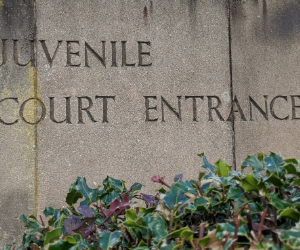
Culturally Responsive Care: Supporting Behavioral Health in Justice-Involved Youth
Most youth who become involved in the justice system are likely to have at least one diagnosable mental disorder, highlighting a significant public health and social justice issue. These young individuals often also face systemic barriers, including socioeconomic challenges, a history of trauma, and pervasive social stigma, all of which create barriers to accessing proper support services. By utilizing the framework of restorative community justice, this training emphasizes trauma-informed practices and culturally sensitive approaches. Participants will gain actionable strategies to effectively recognize the unique challenges these youth face and apply strategies that foster healing and rehabilitation. Ultimately, this course aims to promote a more empathetic and effective response to the needs of justice-involved youth, thereby contributing to their successful reintegration into society.

Culture & Behavioral Health
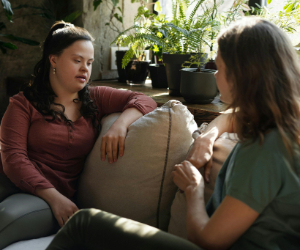
Decision-Making Options
Welcome to Decision-Making Options training, presented by the Colorado Department of Health Care Policy & Financing.
This course provides an overview of the legal and practical aspects surrounding decision-making options for individuals with disabilities. It specifically focuses on individuals with intellectual and developmental disabilities, who are more often placed under restrictive decision-making arrangements.
Whether you are a medical professional, behavioral health provider, or anyone involved in the care and support of individuals with disabilities, this course will equip you with the knowledge to understand and properly communicate the decision-making options available to individuals in the state of Colorado.

Dementia

Diagnostic Considerations in Youth Mental Health

Diagnostic Over Shadowing
This course for behavioral health providers offers a deep dive into the unique needs of individuals with intellectual and developmental disabilities (I/DD), focusing on mitigating diagnostic overshadowing. Central to the course is an examination of diagnostic overshadowing; participants will explore its definition and multifaceted concerns. Participants will learn about the complexities that hinder accurate diagnoses and tailored interventions, such as gatekeeping tendencies and barriers to accessing healthcare. By exploring co-occurring diagnoses, we will analyze essential definitions and considerations that are crucial for accurate assessment and intervention planning, laying the groundwork for nuanced care provision.
Delving into assessment considerations will equip you with practical strategies for navigating the complex diagnostic landscape for individuals with I/DD. By the end of this course, you will have the knowledge and tools needed to navigate the complexities of I/DD care, reduce diagnostic overshadowing, and provide holistic, culturally sensitive support to individuals with I/DD, ultimately enhancing your capacity to deliver effective, person-centered care.